
Kochi’s air has a warmth that gently caresses your skin, despite the humid heat. It’s something to do with the port city’s ambling pace, intermingled with the vibrant cultural scene that simply arrests a traveller from the word go. The cloudy summer sky, interspersed with cotton-candy clouds feels intimate, inviting you into a world where the sea rules, and the fishermen are the true “kings.” And if one has to touch the throbbing pulse of the city, there’s no better way than to take an immersive dive into Kochi’s fishing scene.
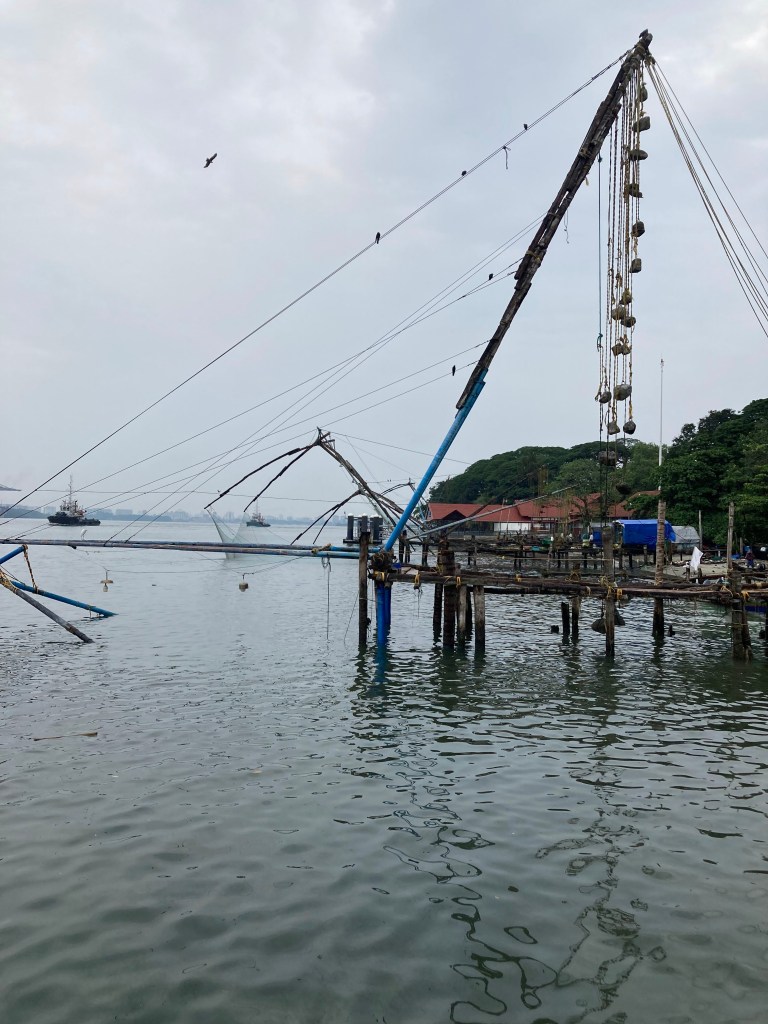
Arriving at 8:15 am sharp, my cab drops me a few metres away from the Chinese Fishing Nets. Having only heard of it, like most tourists, I assumed it to be a vast area with nets spread over the ocean (I didn’t Google, to be surprised). “What’s Chinese about them,” I think on my way towards it. Introduced by a Chinese Admiral, Zheng He, these nets arrived from Southern China between 1400 and 1450 AD. Locally known as Cheena Vala (Chinese Nets), they are nothing like I had imagined. Perched on a wooden ledge, like a trained swimmer, ready to make Olympic history, these massive nets adorn Fort Kochi’s shoreline. It’s a postcard-worthy scene, often seen on stamp-sized souvenirs that do no justice to the real deal.
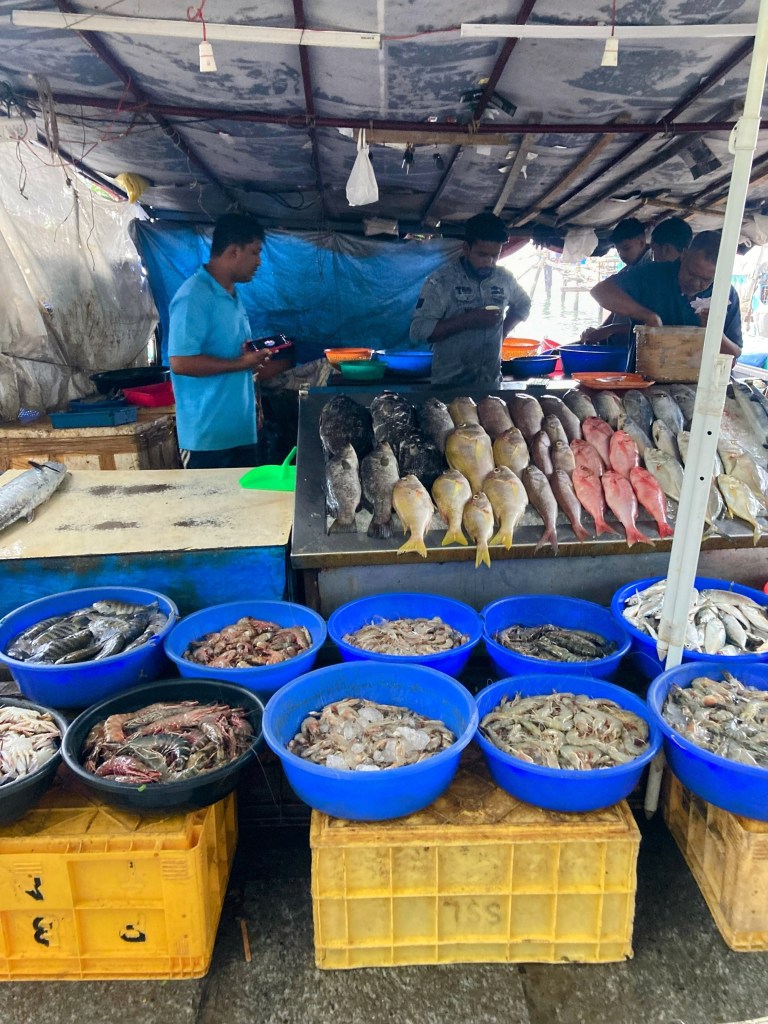
Reaching the nets, the fishing community is buzzing with the morning rush, as locals arrive to take the fresh catch home. There’s Karimeen, Crabs, Surmai, Pomphret, Squids, Tiger Prawns, and more on display. The sun strikes the silver fish at some angles, making them appear like prized jewels at a gemstone collector’s shop. The air is thick with the smell of sea and fish, with Malayali words cutting through it. To see the nets upclose, I make for the first fishing net, where a few men are awaiting tourists like me.
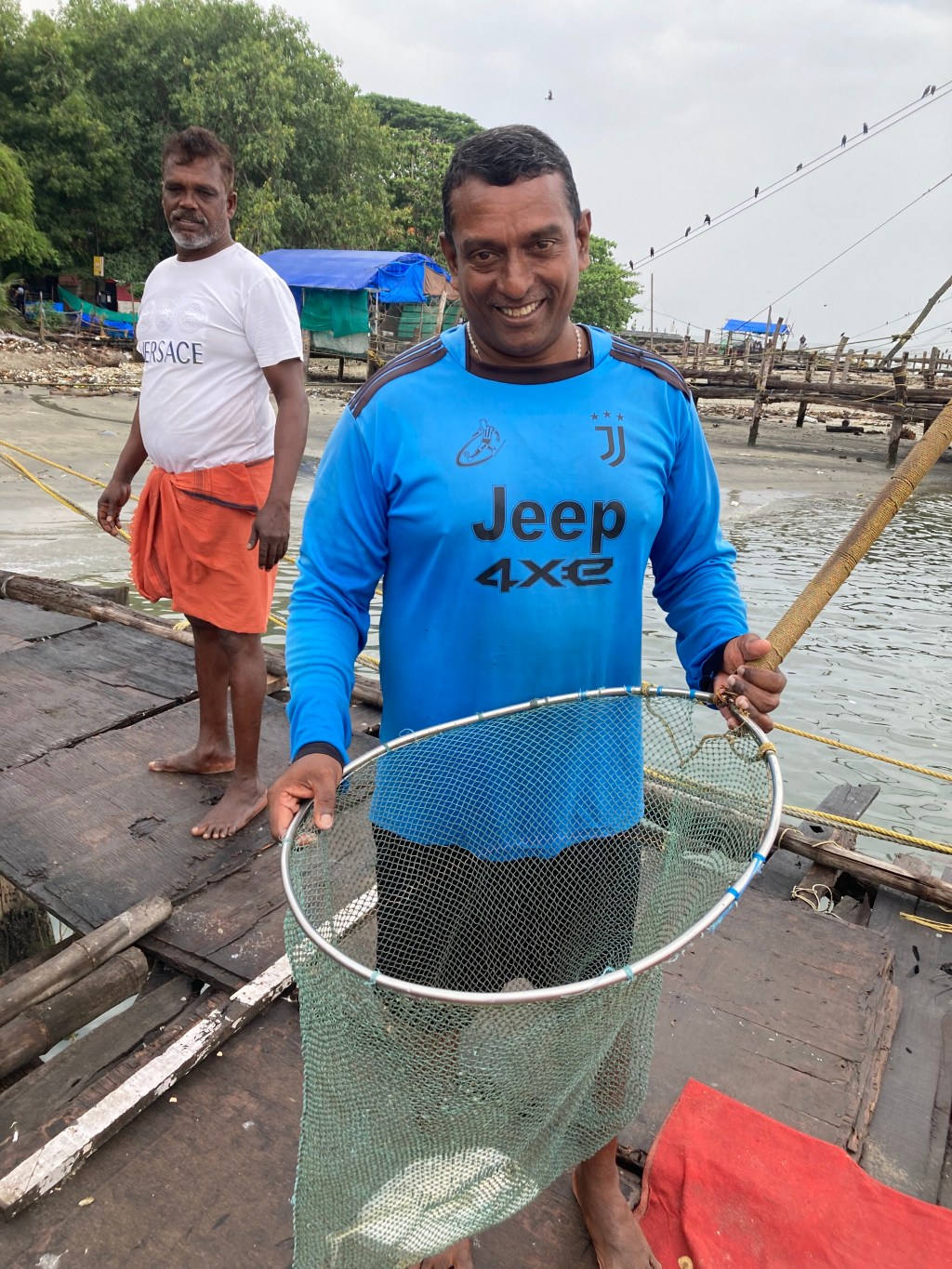
“José,” he says, when I ask his name. Dressed in a blue full-sleeved shirt, he’s visibly happy to have found a “bait” so early in the morning. “Come, I’ll show you how it works,” he says with a smile. I pass a shack-like structure, and step on a wooden ledge, opening into the Arabian Sea. The massive net is gazing upwards, using the cantilever technique to lower and raise the nets into the sea. “The catch is less at this time of the year,” says José, even as he shows me how the huge stones on one end are used as counterweights to balance the nets and catch fish without much exertion. It seems easy, but their hands tell a different story.
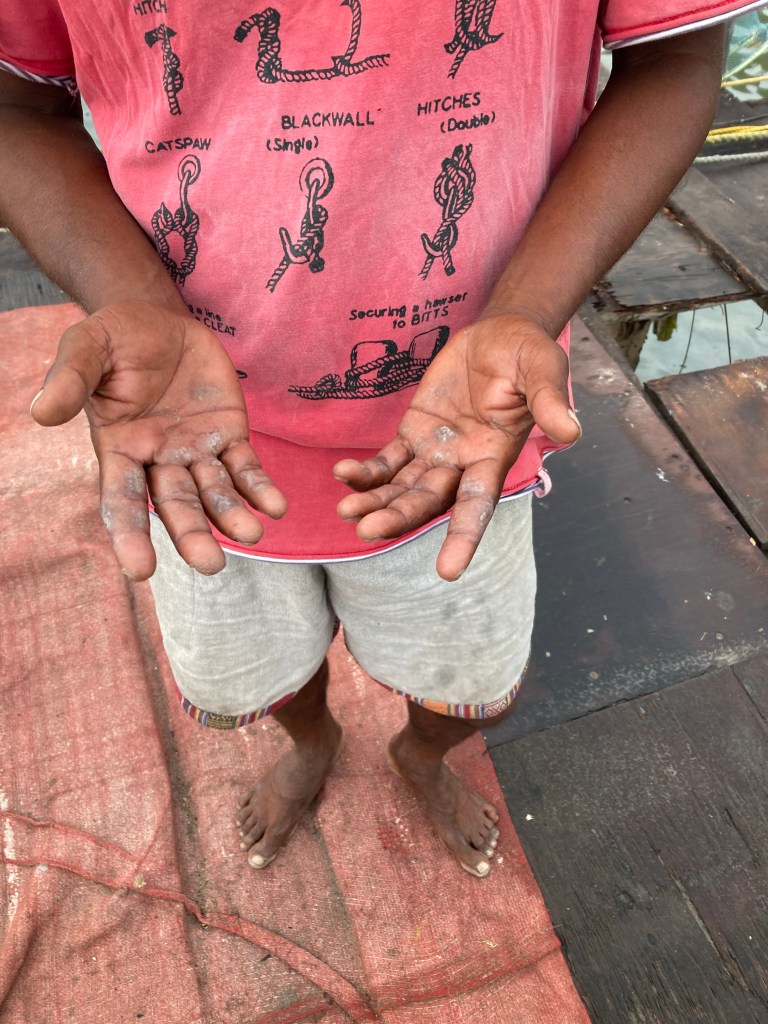
Thick ropes lay on the planks, coiled like sleeping snakes, awaiting their moment. And in an instant, I’m inside a Pirates of the Caribbean movie, where men are singing deliriously, pulling thick ropes, and searching for the “treasures” of the sea. During their singy-songy pulling routine, José breaks into a character from Baahubali, roaring “Baahubali! Kattappa!” as he pulls the ropes. The others join him, and it’s a Rajamouli production now. I can’t help but chime in, feeling heady, as though I’ve had two glasses of wine on an empty stomach. Watching them use the nets so deftly, ignoring the scabs on their hands, I feel elevated from my own body. Lighter than a stack of hay, I start to head out, when a frail old fishermen, his hands barely covered with skin, stretches them out towards me. I take the cue, and Gpay them an amount more than adequate, simply from the sheer gratitude of being a part of their morning.
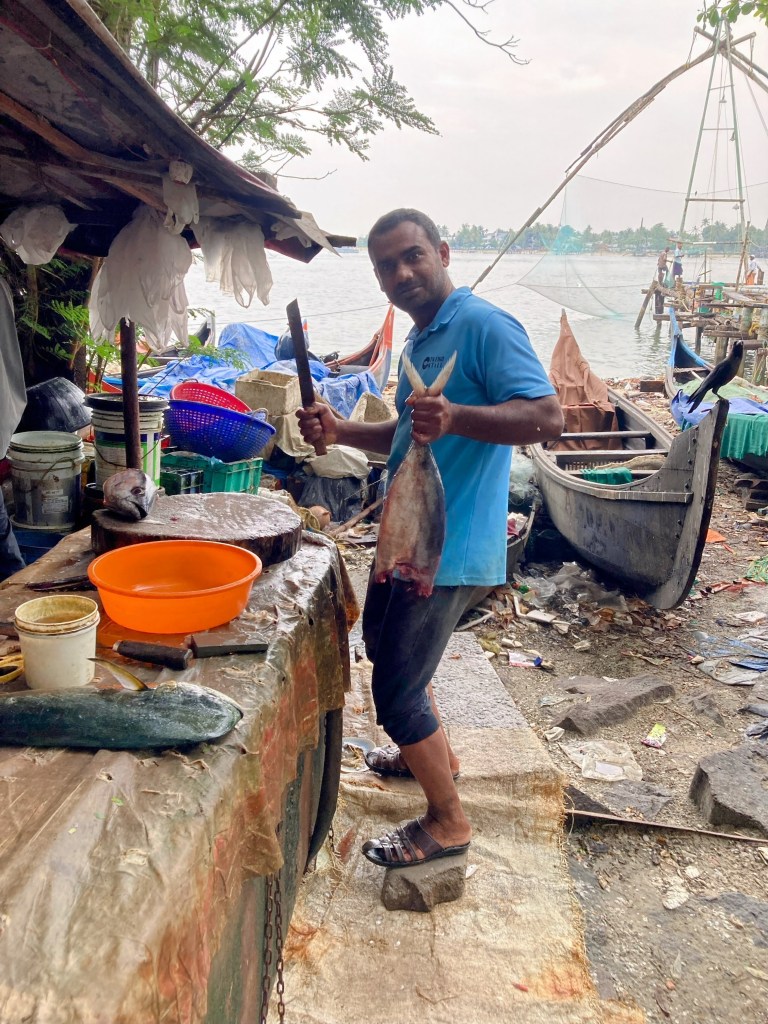
Still laughing my way towards the fish market, I feast my eyes on the variety of the day’s catch. Walking past the surging morning crowd, I intervene myself into a live auction, where the early bird had won the most lucrative catch of the day. As I make my way out of the bustling market, my feet had turned into wings, like an early bird who had just had her best catch of the day!
 wanderwomanwrites
Leave a comment